





Spotlight On: What Is Eczema?
Eczema - a specific form of dermatitis - is a chronic skin condition that can cause patches of extremely dry, often itchy, red and inflamed skin. Yet for some people, eczema can present in different ways ranging from dry, ill-defined red, thickened skin to blistering, weepy well-defined lesions.
As one of the most common of all skin conditions, it is estimated by the National Eczema Society to affect 1 in 5 children and 1 in 12 adults in the UK. What causes eczema can range from genetics to allergies to lifestyle factors including stress, diet and hormones.
There are many different types of eczema which sometimes have different symptoms, triggers and appearances. The most common is known as atopic eczema (or simply, eczema) while other variations have specific terms such as dyshidrotic eczema (affecting the hands and feet), scalp eczema, or papular eczema (causing red bumps, or papules).
Identifying and understanding which form of eczema you have, and knowing how best to treat it can, therefore, be confusing… but we are here to help as we take you through what eczema can look like, its symptoms and the best natural treatment options.
What Does Eczema Look Like?
Eczema is often defined as causing dry, flaky patches of skin, often irritated or inflamed, but due to the large number of different kinds of eczema, the answer is often more complex.
Weeping eczema, for instance, typically has pus-filled blisters that can be wet and ooze a yellow-ish liquid or may dry leaving a crust on the skin. While the bumps caused by papular eczema are often mistaken for a rash, or even bites.
On dark skin tones, eczema can show as darker brown or purple-coloured patches with itchy and dry, or flaky skin, on the surface. Papular eczema on dark skin tones can be mistaken for bites, or even goosebumps, so may easily be overlooked as a serious skin condition.
If in doubt whether you are suffering with eczema, it is always best to consult a professional.
So, How Do You Treat Eczema?
While there is no cure for eczema as such, there are many ways to manage and soothe its symptoms, as well as their triggers, so that living with the condition becomes easy. At Dermatology M, we believe in a holistic approach to skin health and wellbeing, prioritising the values of Traditional Chinese Medicine alongside extensive scientific research and evidence-backed processes.
Our founder, world renowned-dermatologist, Mazin Al-Khafaji, has developed a range of natural eczema skincare products with targeted gels, creams and ointments in-line with each type of eczema. The different formulas can be alternated depending on the type of product you prefer to apply to your face or body. Each and every treatment has been tried, tested and proven on countless eczema sufferers seen at our Avicenna Clinic.
1. ‘Hot Blood’ Type
Hot blood type eczema can occur in a range of the eczemas above (e.g. Atopic, Nummular, etc) and is characterised by dry, red, itchy skin without blisters, crusting or weeping.
Eczema Cream | For the hand, face and body. This natural calming and cooling cream is rich in soothing actives and essential fatty acids including Amur Cork and Qing Dai, plus organic Safflower and Borage Seed Oils to deeply nourish and help lock moisture into skin.
Soothing Eczema Treatment | For the body. Ideal for widespread patches of itchy skin, this natural gel blends Hu Zhang, Aloe Vera and Calamine with powerfully soothing and softening effect.
Dermatitis Ointment | For the face or body. Developed especially for Seborrhoeic Eczema, this soothing and softening formula is a unique blend of Qing Dai, Amur Cork, organic Shea Butter and Calamine – ideal for helping bring swift relief to hot, red or weeping skin on the face (typically the nose and eyebrows), upper back, chest, armpits or groin.
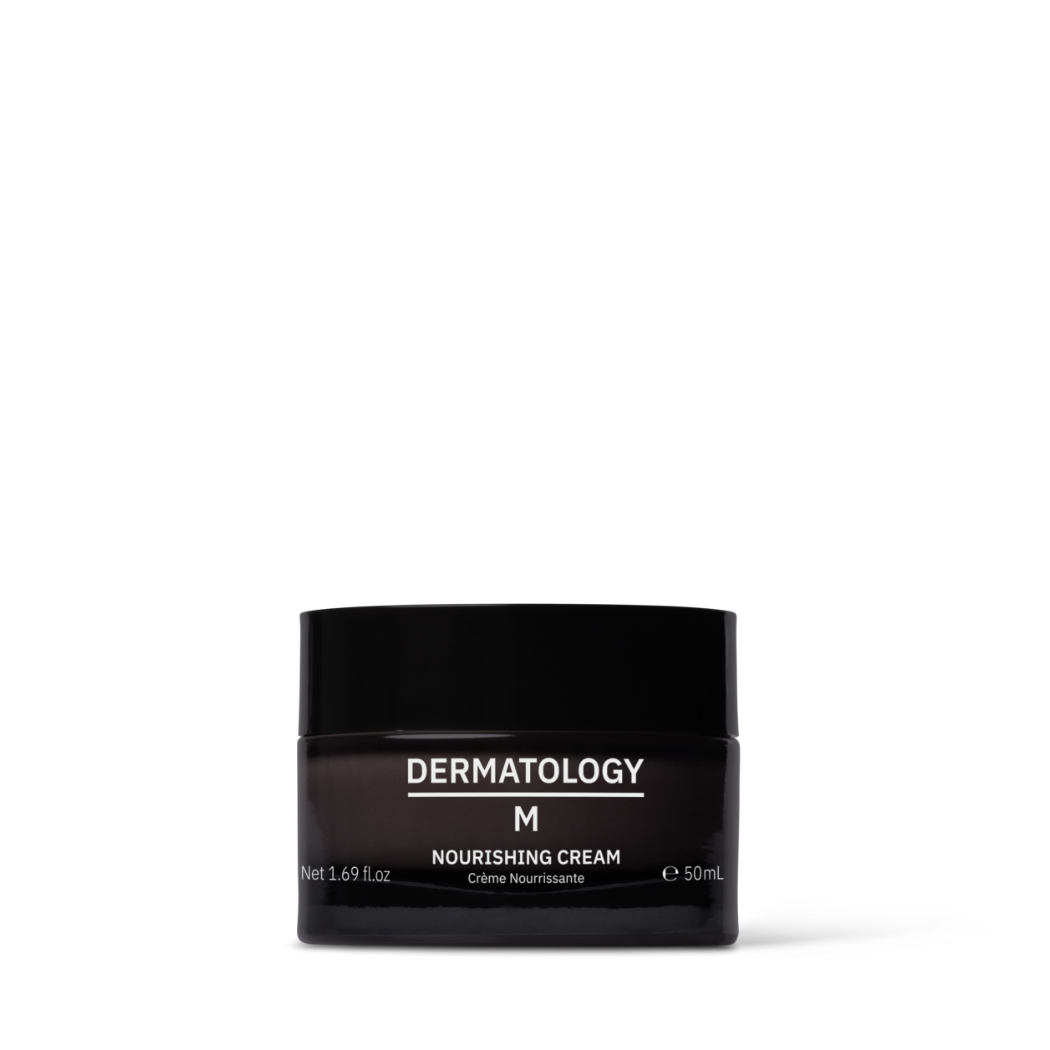
Your chosen topical formula should be applied to skin that is clean and dry (3-4 times a day). Once it is absorbed, apply the soothing emollient cream Nourishing Cream to affected areas on the face and body to further boost nourishment.
2. ‘Damp Heat’ Type
Damp heat type eczema can also occur in a range of the eczemas above (e.g. Atopic, Nummular, etc) and is characterised by blisters, crusting and weeping of skin.
Soothing Eczema Ointment | For any areas that are affected by blistering, weepy, crusted eczema. Blending essential fatty acids plus vitamins A and E, this versatile, targeted cream is ideal for use day and night to help calm and comfort itchy ‘damp heat’ eczema.
Soothing Eczema Treatment | For the body. The specialised combination of Hu Zhang, Aloe Vera and Calamine in our natural gel also makes it ideal for soothing widespread and itchy patches of ‘damp heat’ eczema.
Dermatitis Ointment | For the face or body. Developed especially for Seborrhoeic Eczema, this soothing and softening formula is a unique blend of Qing Dai, Amur Cork, organic Shea Butter and Calamine – ideal for helping bring swift relief to hot, red or weeping skin on the face (typically the nose and eyebrows), upper back, chest, armpits or groin.
More often than not, ‘damp heat’ eczema sufferers will experience dry patches between the wet areas. To help alleviate this, smooth a little Nourishing Cream over affected areas on the face or body to restore nourished skin.
3. ‘Dry Blood’ Type
Dry Blood type eczema can also occur in a range of the eczemas above (e.g. Atopic, Nummular, etc) and is characterised by dry, pale, cracked, thickened, (lichenified) skin.
Eczema Fingertip Ointment | Specifically for fingertip eczema. It includes Bai Ji Bletilla Root, plus Shea and Cocoa Butters to help relieve and replenish dry, cracked fingertip skin.
Nourishing Hand & Foot Cream | Let your specialist hand and foot skincare work hard while you sleep… our powerfully calming and nourishing ointment is specifically for dry, thickened skin of the hands and feet.
Nourishing Cream | For all skin. During the day and night, keep the dryness and discomfort associated with all types of dry skin eczema (hot blood, or dry blood) at bay by regularly smoothing this antioxidant-rich, deeply nourishing and revitalising cream onto affected areas.
A Final Word
As eczema can be a very fickle skin condition, it is common for a cream or ointment to spontaneously become ineffective, even if it has previously worked. As a result, we recommend switching between the different formulas for your eczema type.
For further assistance with eczema symptoms and treatment plans, please don’t hesitate to contact us here.
Don’t miss our complete range of natural eczema skincare solutions.


