





Truth bomb (Noun) | A colloquial phrase describing a statement of fact that exposes a fallacy about a certain topic.
When facing problematic skin conditions like eczema, psoriasis, acne or rosacea, figuring out the right daily care routine, managing symptoms and restoring skin health is pretty overwhelming. What makes this even harder are the many myths that have long existed about these conditions - most of which lead to wrong treatment choices, worse skin condition, wasted money, upset, stress and diminished quality of life. We’d love to stop all that.
Here, our dermatologist founder, Dr. Mazin, blows apart the 5 worse myths, uncovers the truth behind each and reveals what 40 years of clinical dermatological practice proves really works.
Truth Bomb 1: Topical steroids don’t treat problem skin; they mute it (and can make it worse)

Topical steroid creams are commonly prescribed for skin concerns eczema and psoriasis. While they reduce inflammation, they don’t cure it: they’re just a silencer. They don’t address why skin is reacting. Prolonged use also brings big problems, deepening the trap of dependency: Skin thins, rebound flares and steroid-induced issues like perioral dermatitis or topical steroid withdrawal can occur.
Why does this happen? Steroids suppress ceramide and filaggrin production — two components of skin barrier health that protect its integrity and prevent moisture loss. Those with atopic eczema already make less of both, so further reductions mean even thinner, more reactive skin. This is the opposite of long-term healing.
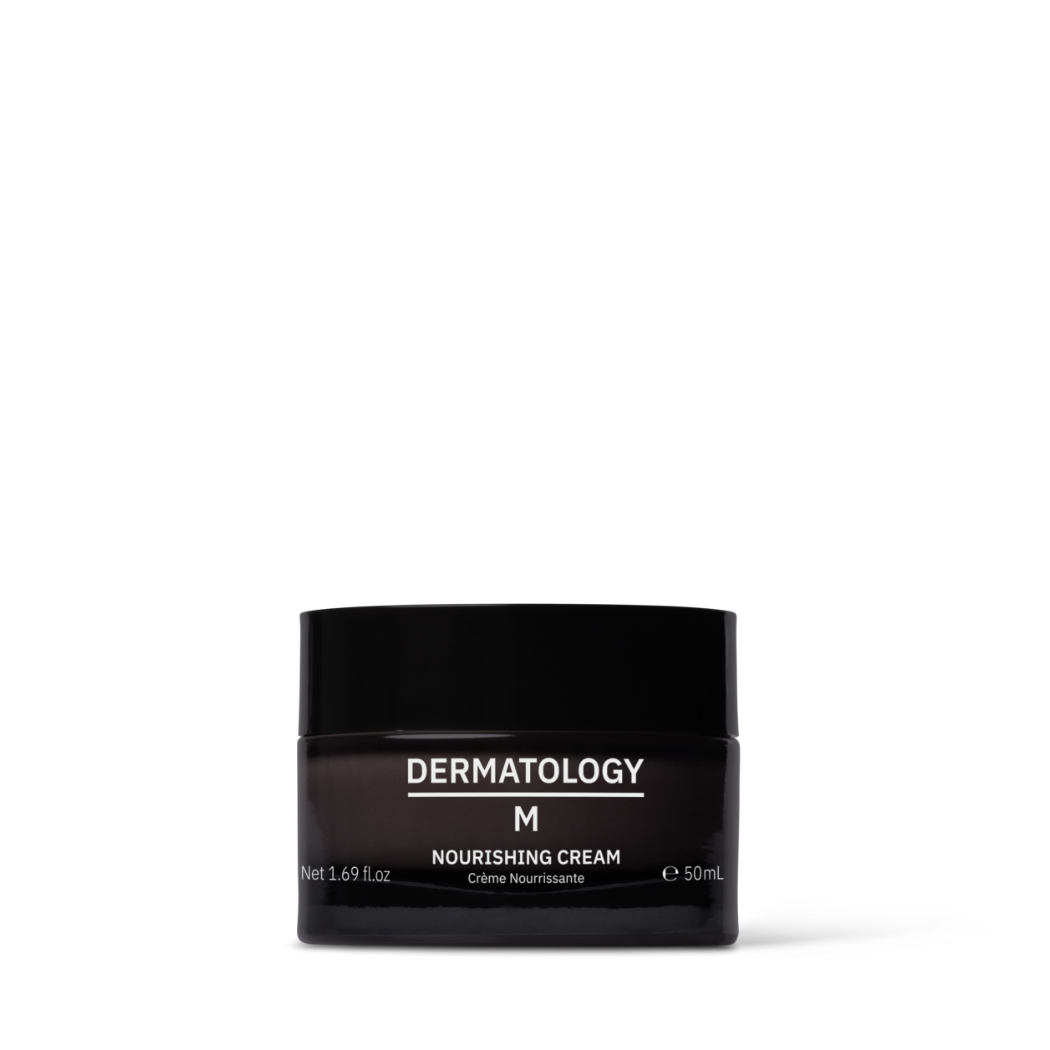
The best approach: Rebuild what steroids have broken down by replenishing skin lipids and promoting ceramide generation. Nourishing Cream was designed to do exactly this. It contains Zi Cao, a herb long used in Chinese dermatology that’s proven to not only soothe inflammation but also help stimulate ceramide synthesis pathways and repair the barrier from within. It also contains Grapeseed, Safflower and Jojoba Oils — plant-based ceramides that closely mimic skin ceramides. This helps lock in moisture, calm inflammation and restore suppleness.
Conclusion: Steroids may have a role in short-term skin emergencies, but absolutely aren’t a sustainable solution for eczema or psoriasis.
“Think of topical steroid use as the dermatological equivalent of sweeping broken glass under the rug and then wondering why your feet keep bleeding.”
Truth Bomb 2: Topical Steroid Withdrawal (TSW) is real; ignoring it is harmful

So, we now know topical steroids don’t heal eczema or psoriasis and that the short-term calm they induce comes at a cost — something many dermatologists, sadly, still won’t acknowledge: Topical Steroid Withdrawal (TSW).
Why does this happen? As well as compromising skin barrier structure, steroids stimulate an enzyme called 11β-hydroxysteroid dehydrogenase type 2. This inactivates cortisol, a hormone our body makes to help regulate inflammation. So, when we stop using steroids, inflammation surges (often worse than before and persisting for months or years). The most common reply: use more steroids… and this ruinous cycle repeats.
The best approach: As in Truth Bomb 1, continued use of Nourishing Cream has successfully helped many customers restore healthy barrier function and calm, supple, conditioned skin.
“TSW isn't the original eczema returning. It’s skin in crisis after years of being artificially silenced. Until TSW is properly recognised and long-term steroid use stops, people will keep getting caught in this cycle and skin will never get the chance to truly heal.”
Truth Bomb 3: Poor hygiene or dirt don’t cause acne (so stop scrubbing skin raw)

You can have meticulous hygiene and still get spots. Acne is caused by hormone imbalance, sebum overproduction, a disrupted skin microbiome and inflammation — not a lack of soap. And the irony: the more you scrub or strip skin, the worse it often gets.
Why does this happen? Harsh cleansers, aggressive exfoliants and alcohol-laden toners damage the skin barrier. Inflammation ramps up, breakouts and sensitivity worsen, and scarring or post-inflammatory pigmentation can occur.
The best approach: Don’t wage a war on your skin; restore balance — calm inflammation, regulate sebum and support the barrier.
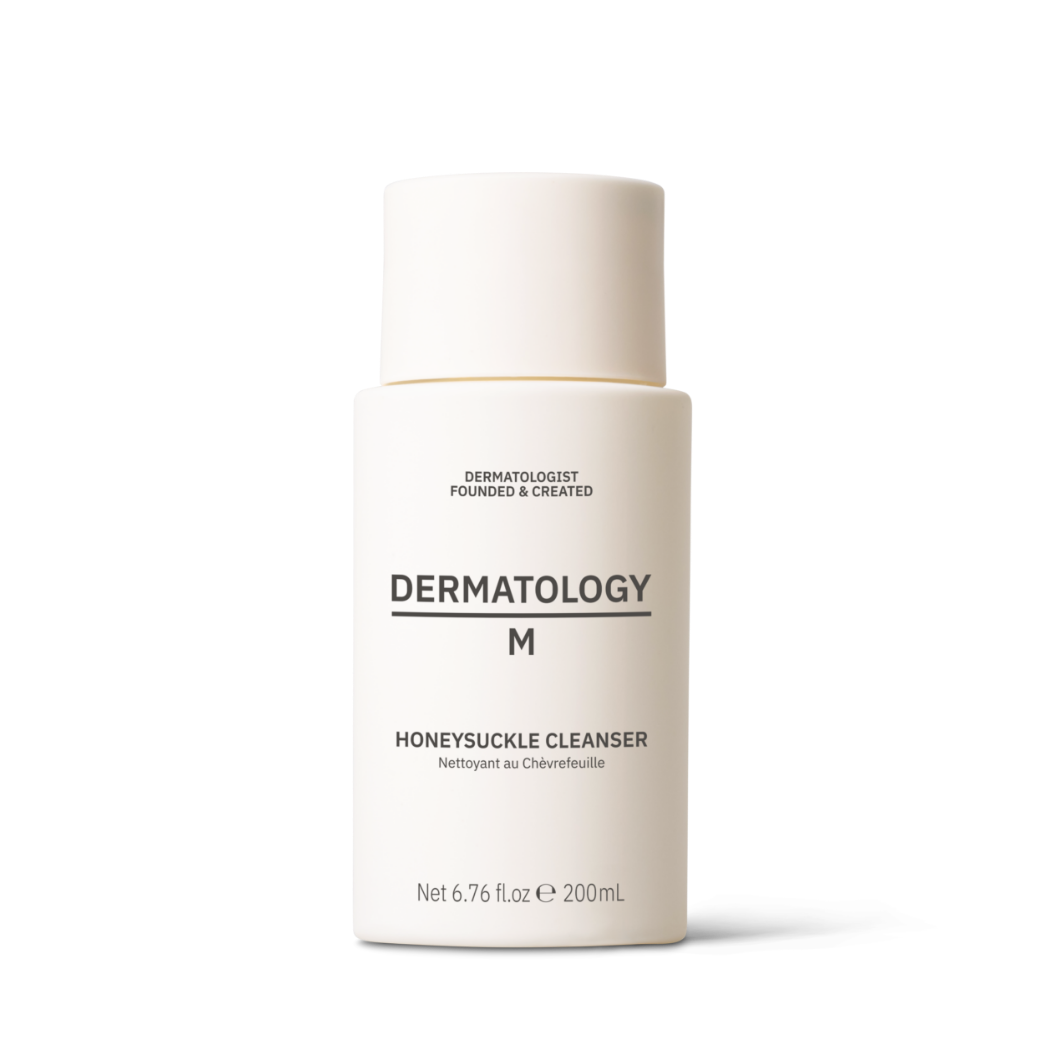
Honeysuckle Cleanser is our gentle, soap-free face wash (unlike many “acne washes” that leave skin stripped). Its hero ingredient is Jin Yin Hua (Honeysuckle Flower) — a Chinese herb with proven anti-inflammatory, antibacterial and antioxidant benefits. Using it daily helps reduce redness, soothe acne-inflamed skin, inhibit acne-causing bacteria and support barrier repair.
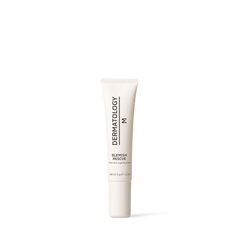
Working deeper, Blemish Rescue Face Oil and Blemish Rescue Face Cream harness Bakuchiol and Centella Asiatica — key in the fight against acne. Bakuchiol is a herbal retinol alternative, delivering all the benefits with no sensitivity. Centella Asiatica (CICA) is clinically shown to reduce redness and itching, boost barrier strength and help fade scars or post-inflammatory pigmentation.
“So, next time someone says, ‘Just wash your face’, you’ll know better.”
Truth Bomb 4: Rosacea isn’t just sensitive skin — it’s chronic inflammation hiding in plain sight

Lots of people think rosacea is just sensitive skin. In fact, it’s a chronic inflammatory condition that affects the central face and often the eyes — presenting as persistent redness, visible blood vessels, inflammatory papules, stinging, burning, thickened skin and irritated eyes. Sensitive skin may be a feature, but it’s not the cause.
Why does this happen? Rosacea involves immune overactivity, vascular instability and often a high density of Demodex mites — all signs of deep inflammatory issues, not sensitive skin. Therefore, turning to generic “sensitive skin” products or heavy creams can worsen rosacea.
The best approach: Use a skincare routine that soothes inflammation, calms vascular reactivity and restores a stable microbial balance:
- Honeysuckle Cleanser: Soap-free, gentle and soothing, it calms hot, reactive skin and supports microbial balance.
- Redness Reducing Tincture: Key for those with high Demodex activity; helps reduce mite presence and calm flare-ups.
- Redness Reducing Cream or Rose Otto Face Cream: Light, hydrating, redness-reducing formulas that won’t clog pores.
“Sensitivity doesn’t cause skin to flush, swell or break out if you eat spicy food or drink wine. Rosacea does. So treating it as sensitive skin won’t solve it. Address the underlying inflammation and you’ll take back control.”
Truth Bomb 5: If you have acne, don’t avoid face oils — they’re often exactly what skin needs

The idea that oils cause acne is outdated. Over-cleansing, under-nourishing and stripping skin of oil doesn’t fix the problem — it worsens it.
The best approach: The right light and non-greasy face oil will help your skin recover by calming inflammation, reducing bacteria and restoring hydration without clogging pores.
Blemish Rescue Face Oil contains 1% Bakuchiol, cold-pressed organic Prickly Pear Seed, Acai Berry, Balsam Copaiba and Andiroba. These oils don’t suffocate skin; they restore what’s missing, rebalance and help calm inflammation and blemishes.
“Stop fearing face oils. Chosen wisely, they’re not the enemy — they’re part of the cure.”
We hope this article empowers you to take back control of your skin’s care and health. If we can help with any other questions about your skin concerns, our expert team is here, contact us today.


