





What Causes Psoriasis?
Psoriasis is defined as a chronic auto-immune disease that causes the regeneration of skin cells to malfunction, renewing at over double the rate so that skin is often left irritated and uncomfortable.
What Can Cause Psoriasis
Though the NHS reports that approximately 1.4 million people in the UK today suffer from psoriasis, its root cause remains unknown. There are, however, theories that psoriasis may be hereditary and that the immune systems of those with psoriasis mistakenly attack healthy skin cells.
Often, psoriasis can emerge after an injury or period of significant hormonal changes, or seemingly for no known reason at all.
What Causes Psoriasis Flare Ups
Psoriasis flare-ups can be triggered by lifestyle factors, things such as prescription medicines, including steroids or beta-blockers, cold weather and stress are also known to cause psoriasis breakouts. Stimulants such as smoking or drinking alcohol may also see the skin condition symptoms spreading or worsening.
While every case is different, understanding your personal triggers and causes for flare ups is key. At Dermatology M we prioritise a holistic approach, applying Traditional Chinese Medicine practices to achieve balance and wellbeing, while integrating advanced dermatological research in order to treat psoriasis symptoms naturally and topically.
Where on the body does psoriasis occur?
There are several different types of psoriasis that can affect different areas on the body, below are the most common seen in our clinic:
Plaque psoriasis
Accounting for around 80-90% of cases, plaque psoriasis is often found on the knees, lower back and elbows. In Chinese Medicine, we attribute this dry type and pattern to ‘hot blood’, where skin is red, itchy and may bleed when scratched. Should this heat intensify, psoriasis worsens, becoming darker in colour and spreading over skin; cases we refer to as fire toxins.
Scalp psoriasis
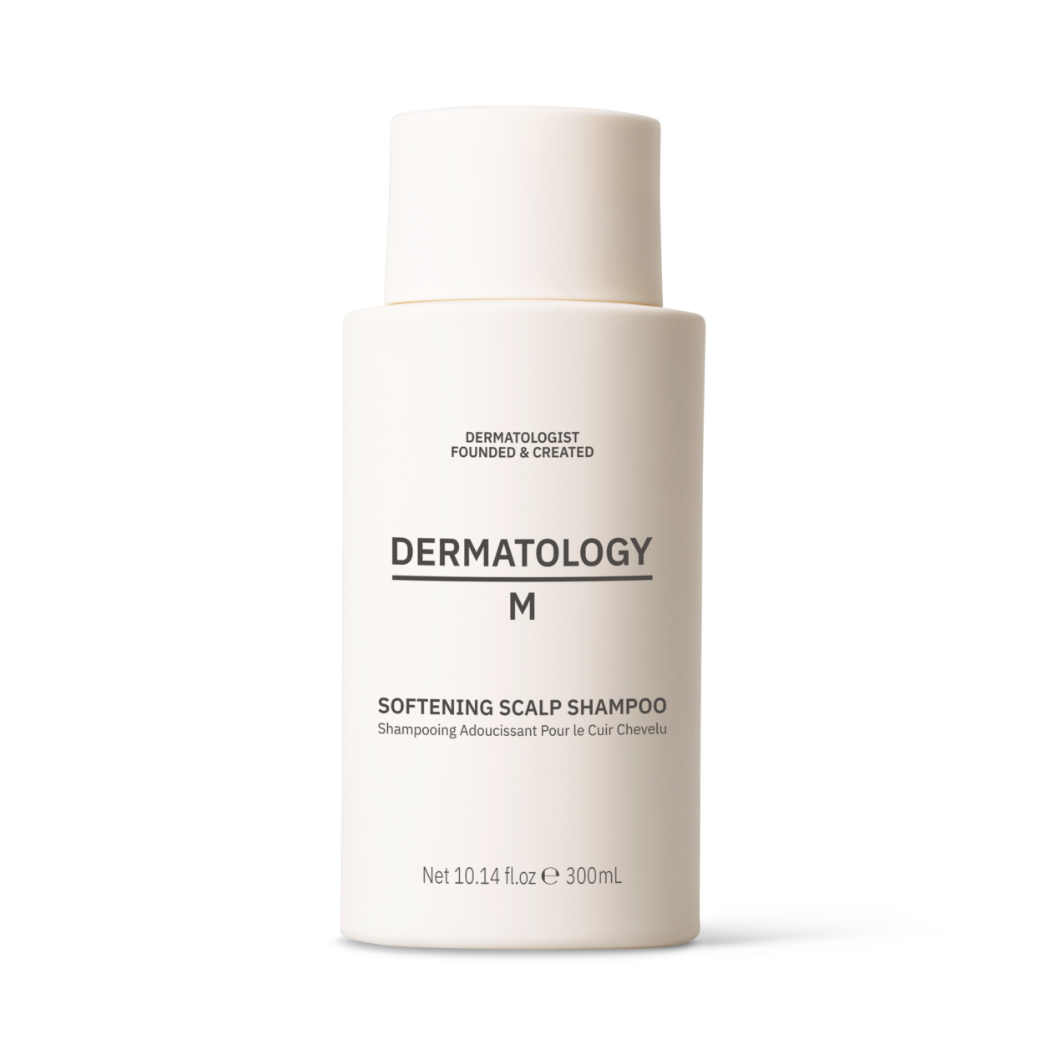
Whether affecting the whole scalp or just part of it, scalp psoriasis can prove very itchy and uncomfortable. Sometimes, the flaky dry skin can look like dandruff with extreme cases causing temporary hair loss.
Guttate psoriasis
Most common in children or teenagers, guttate psoriasis appears as small sores on the chest, arms, legs and scalp – which may go on to develop into plaque psoriasis.
Psoriatic arthritis
Those with psoriasis may experience painful inflammation and stiffness in the hands, elbows, neck, spine and feet – a long-term condition referred to as psoriatic arthritis.
Nail psoriasis
Another condition occurring in those with psoriasis, nail psoriasis describes when nails become brittle, yellow, thick and dented as a result of the condition.
Inverse psoriasis
Appearing as large red patches on the groin, navel, armpits and underneath breasts, inverse psoriasis can prove most problematic in warmer months or when sweating. Unlike the types above, this psoriasis is due to ‘damp heat’ – it is moister and has less scale.
Pustular psoriasis
Far less common than the types mentioned above, pustular psoriasis appears as pus-filled blisters no larger than 10mm on the skin.
Is there a cure for psoriasis?
While no cure, or solution to eradicate it completely, has yet been found, psoriasis symptoms can often be very successfully treated and managed with internal herbal therapy, as well as topical herbal creams and ointments.
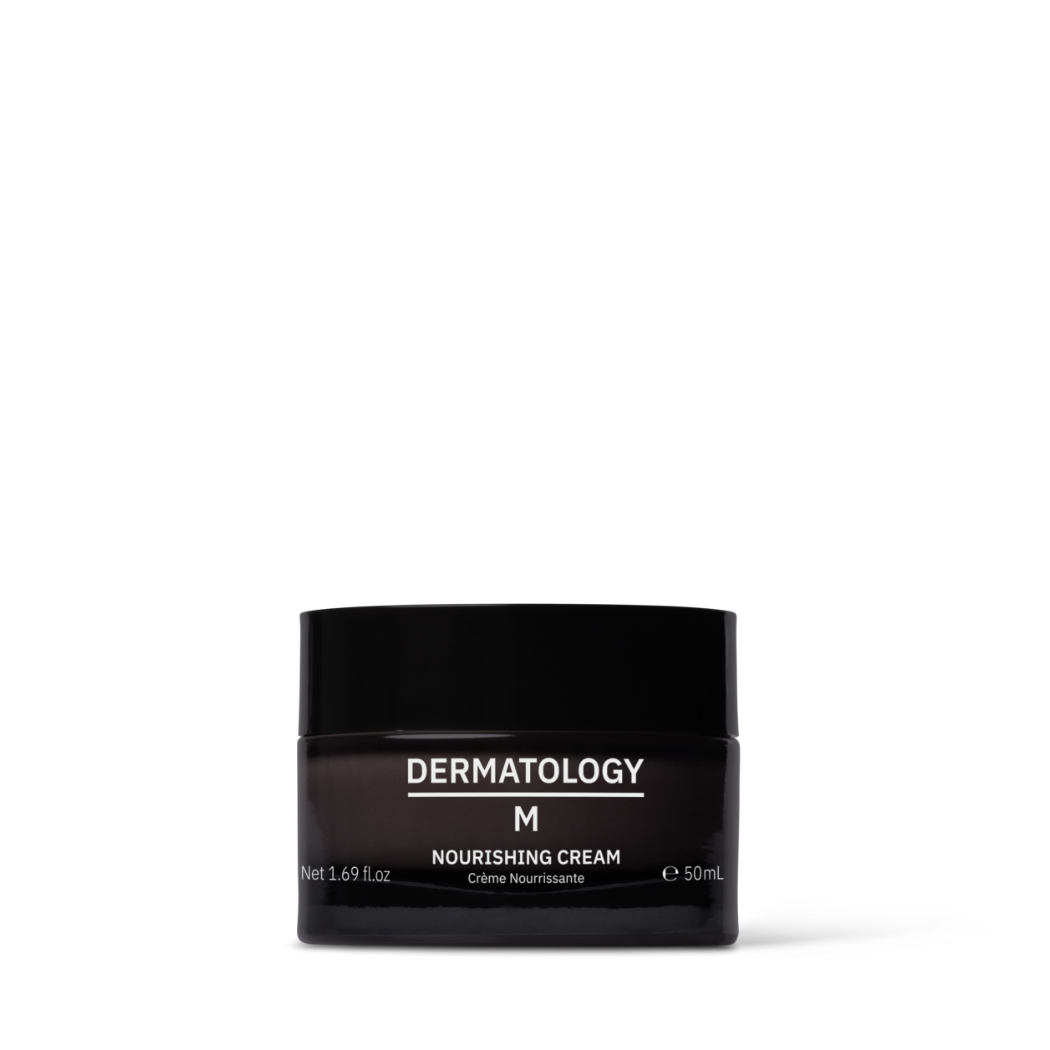
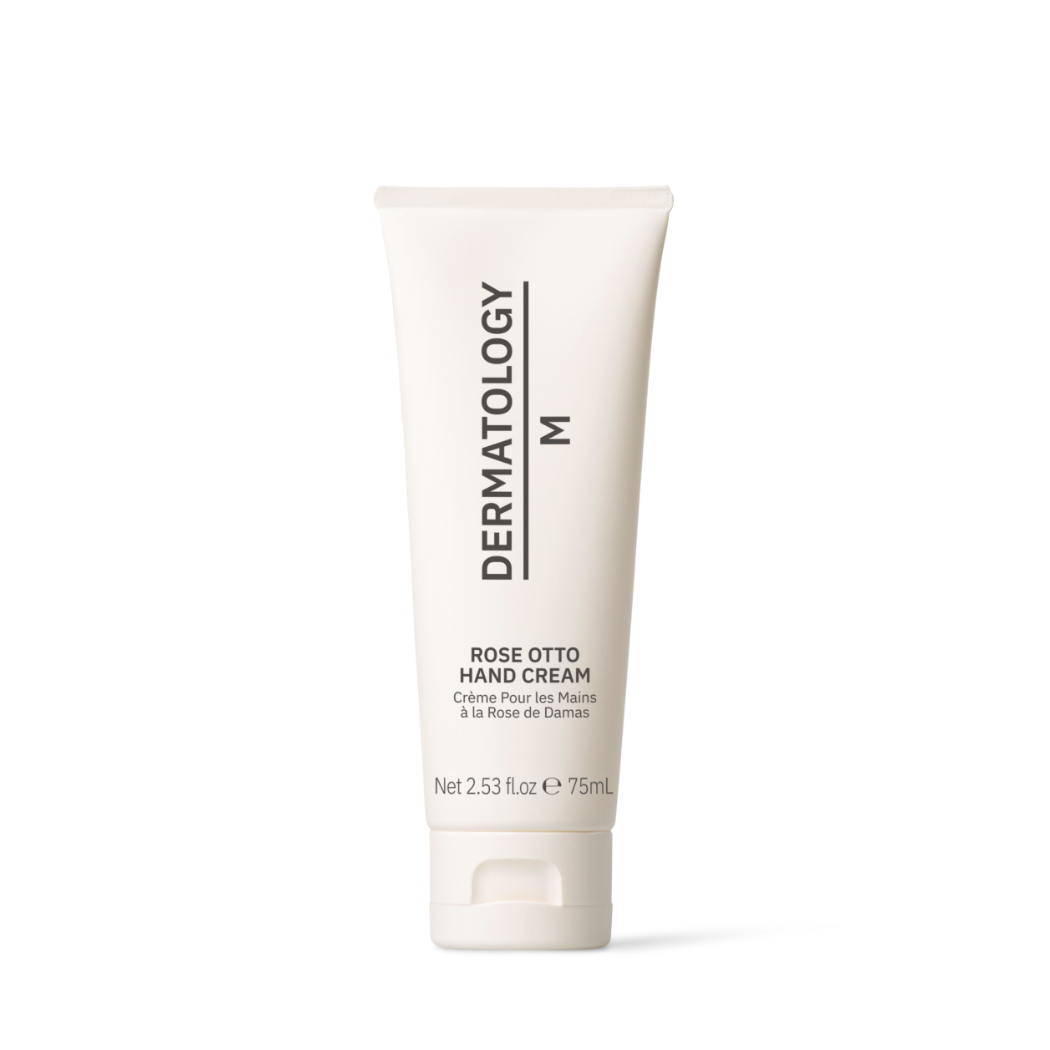
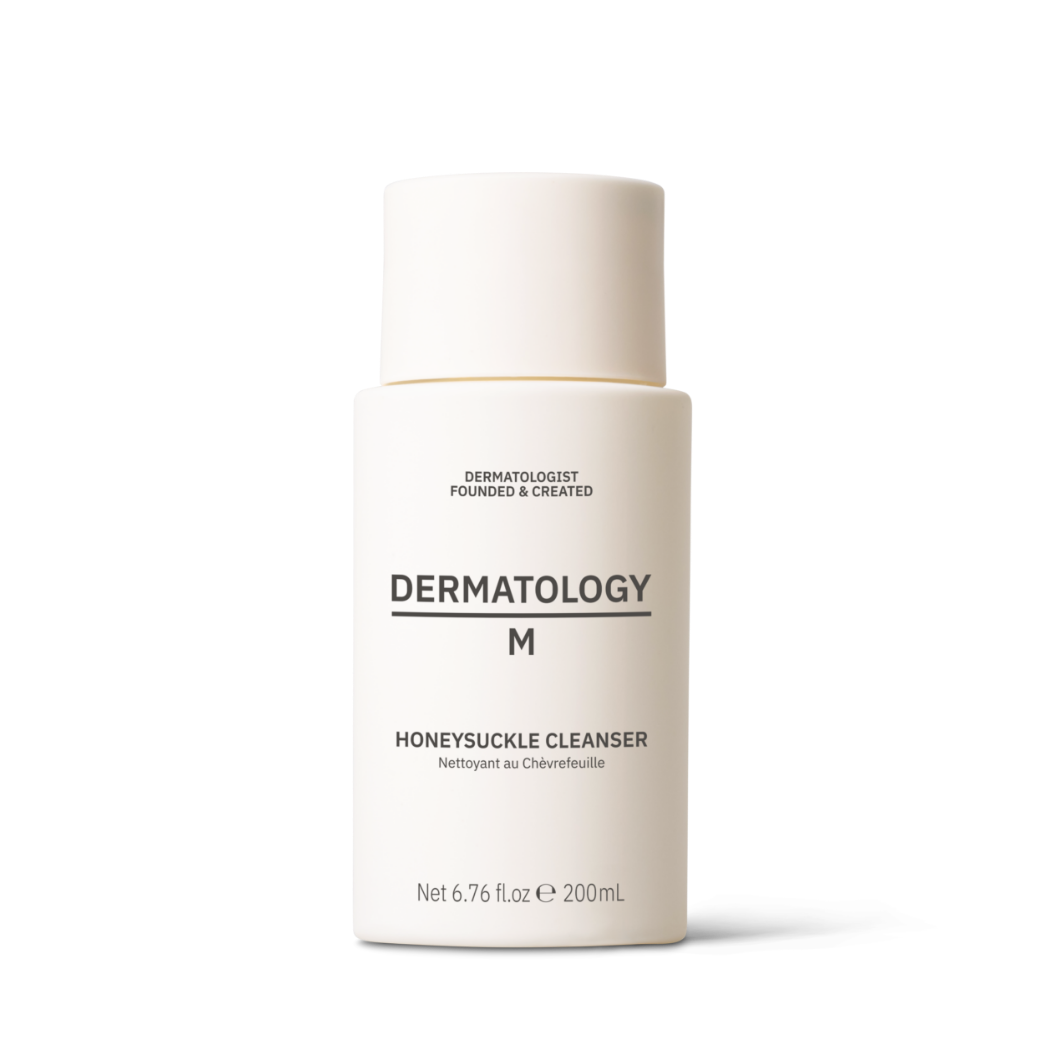
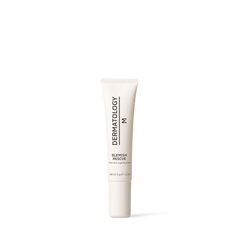
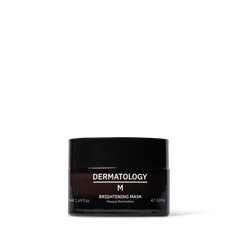
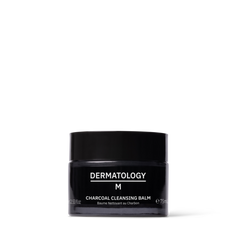
At Dermatology M, we have designed and produced a range of topical remedies for psoriasis, all underpinned by Traditional Chinese Medicine alongside extensive scientific and dermatological research.
Don’t miss our expert’s guide to What Psoriasis Is for tips on how to manage the skin condition.


