





Spotlight On: What Is Psoriasis?
Traditionally referred to as ‘dry lichen’, psoriasis is a chronic, long-term and inflammatory dermatological condition. Rather than producing new skin cells every 3-4 weeks, those with psoriasis produce new cells every 3-7 days, causing a build-up of dry, raised patches that come and go over several years.
For some, there’s no discomfort associated with psoriasis while, for others, the pain, itchiness or sensitivity is unbearable. What’s more, psoriasis can be highly visible and stigmatising, with many of our skin clinic clients reporting its crippling effect on self-confidence.
Yet, while medical professionals are still uncertain of the causes of psoriasis, there are several successful ways to manage the condition.
Here we focus on our specialist recommendations for identifying, treating and managing psoriasis and its symptoms. If you would like to understand more about perceived triggers and different types of psoriasis, please visit our partner feature on psoriasis here.
What Is Psoriasis & What Does It Look Like
If dry, red, itchy, sore or scaly skin is something you’re familiar with, it’s likely you’re experiencing psoriasis. Often identified with thick red patches of skin that often have a top layer of scaly, or flaky skin that will shed, but beneath remains inflamed and sore. These patches can be found anywhere on the body, but will often form on hands, elbows, knees and the scalp.
When it first begins, psoriasis will often look like a patch of small, red bumps that may burn or itch. There could be scales, while the skin beneath itches or bleeds.
There are different types of psoriasis, from plaque psoriasis through to inverse psoriasis and even scalp psoriasis that can vary in appearance. If you are unsure about an affected area or varying symptoms, it is always best to speak to a professional dermatologist or your local GP.
Can Psoriasis Be Cured?
While a cure for psoriasis has not yet been found, the condition can be managed very effectively. We often treat it very successfully with internal herbal supplementation and topical herbal ointments. Chinese Medicine has a long history and particular speciality in treating psoriasis, with first records of its treatment spanning back to 610 AD/CE.
How To Treat Psoriasis?
World-renowned dermatologist and founder of Dermatology M, Dr Mazin Al-Khafaji, has worked to bring together these ancient teachings of Traditional Chinese Medicine with the innovation and effectiveness of the science behind dermatology. Applying his learnings over the past three decades he has developed several products using the finest Chinese herbs and ingredients to help calm, soothe and manage psoriasis symptoms. Our specialised tinctures and ointments cool hot blood, drain damp heat and nourish yin fluids.
Our Topical Treatments For Psoriasis
At our Avicenna Clinic, we approach each client individually, looking at their unique pattern of psoriasis before determining a treatment plan so do get in touch if you believe internal herbal therapy may be helpful for you. In the meantime, below are our most effective psoriasis creams and ointments for the face and body.
Psoriasis Treatments For The Face
Powerfully soothing and protecting, Softening Ointment is an ideal treatment for psoriasis on the face. A specialised blend of Turmeric Oil – known as one of nature’s best cures for psoriasis – and Beeswax, this naturally antibacterial and anti-inflammatory cream helps restore comfort while preventing further moisture loss without clogging up pores. Apply once or twice a day to affected areas.
Psoriasis Treatments For The Body
With its nutrient-rich blend of antioxidants Amur Cork and Sesame Seed Oil plus anti-inflammatory Evening Primrose Seed, Softening Indigo Cream nourishes, soothes and protects – ideal for helping clear blood heat and fire toxins associated with plaque, guttate and pustular psoriasis. Apply it 2-3 times during the daytime to affected areas.
Our bestselling psoriasis treatment, Softening Indigo Ointment should be used overnight, to help clear blood heat and fire toxins associated with plaque, guttate and pustular psoriasis. Rich in vitamins, antioxidants and fatty acids, its blend of Sesame Seed Oil, Shea Nut Butter, Amur Cork and Beeswax soothes inflammation, nourishes skin and adds a protective layer to limit moisture loss. For best results, apply once or twice in any 24-hour period, then occlude the area with cling film.
Use Softening Indigo Cream, light blue like the daytime sky, and Softening Indigo Ointment, dark blue like the night sky, together as the perfect couple for daytime and night-time management of psoriasis.
Where a more gentle ointment is desired, for areas of particular heat or dryness, try Softening Indigo Cream. A lightweight blend of Safflower Seed Oil, Sea Buckthorn and Evening Primrose Seed, it helps re-balance skin’s natural sebum and soothe inflammation while boosting hydration and cell turnover.
Psoriasis Treatments For The Hands
Deeply soothing, moisturising and protecting, Soothing Fingertip Ointment can be used 2-3 times each day on the hands. Its unique blend includes Sesame Oil, Shea, Beeswax and Huang Lian, creating a formula rich in antioxidants, fatty acids and vitamins A, E and F. Inflammation is reduced, skin feels nourished and further moisture loss is prevented.
Psoriasis Treatments For The Scalp
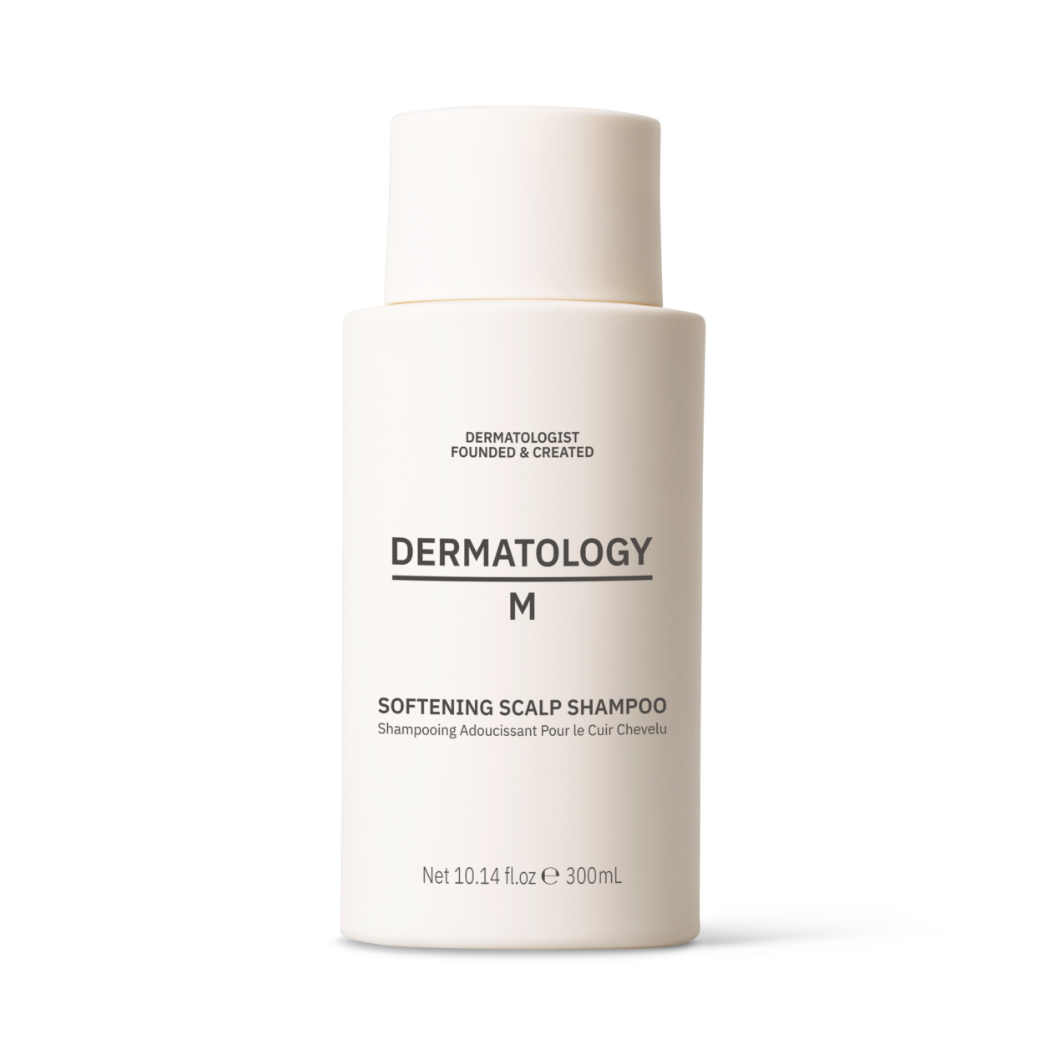
Softening Scalp Shampoo is specifically formulated to reduce inflammation and scale formation. Use three times per week and leave on for five to ten minutes before rinsing for best results.
Though very safe and effective when used on the face, Softening Scalp Tincture is especially ideal for helping clear blood heat and toxins while alleviating the itching associated with scalp psoriasis. This expert combination features one of the oldest herbs used in TCM to clear heat and dry dampness, purge fire and remove toxicity – Sophora Flavescens Root Extract – plus antibacterial Polygonum Cuspidatum and soothing Monnier’s Snow Parsley.
How Quickly Will Psoriasis Go Away?
We are often asked this question but as every case is different, it is impossible to say for sure. Some patients report improvements within 24 hours of applying topical treatments; more commonly, it takes two weeks or longer, depending on the individual case and severity. With continued use, itching, inflammation and skin cell build-up subside, skin cell turnover normalises and healthy skin emerges.
Our complete collection of specialist psoriasis care can be used to treat psoriasis naturally, but for any further guidance, or support on in-person treatments, please contact us here.


